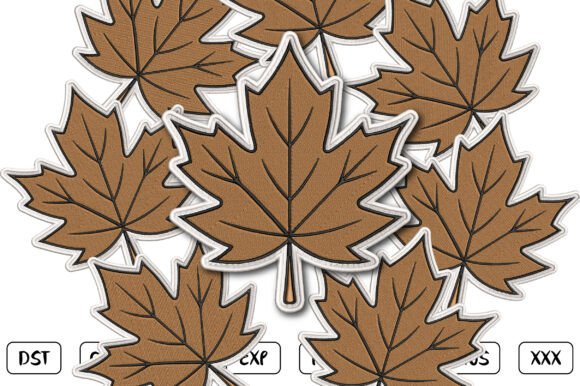
Maple Leaf Embroidery Design: Autumn Elegance for Real Projects
First Impressions: A Crisp Autumn Vibe
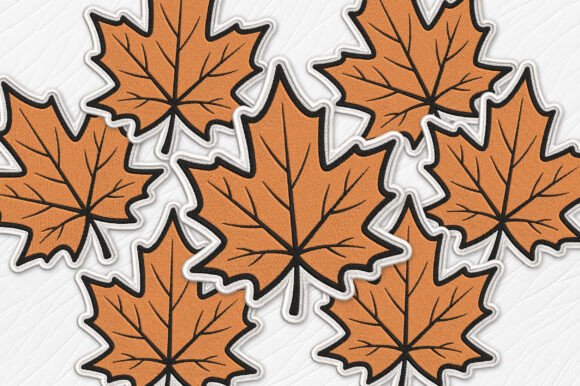
When I first opened the Maple Leaf Embroidery Design file, I was struck by how cleanly it captured the essence of fall. It’s not overly busy or fussy—it has that quiet elegance that works across a variety of products. The clean outlines and balanced negative space make it feel modern yet timeless, perfect for seasonal crafting or boutique branding. It’s the kind of design that says “autumn” without screaming it, which is a big plus for makers who want to keep their product line fresh and versatile.
Real-Life Use: From Sweatshirts to Holiday Gifts
I recently tested the Maple Leaf Embroidery Design on a custom tote bag and a crewneck sweatshirt, both for a small holiday collection I’m preparing for my Etsy shop. On the tote, the design stitched out beautifully with a medium-density fill stitch that didn’t pucker the canvas. The outlines held up well, even after a few washes. On the sweatshirt, I used a lightweight stabilizer and adjusted the tension slightly to account for the thicker knit. The result was crisp, professional, and exactly what my customers expect for seasonal items.
For baby clothes, I’d recommend a smaller version of the Maple Leaf Embroidery Design to keep the look delicate. It would work especially well on burp cloths, bibs, or sleepers. The natural theme pairs nicely with woodland nursery decor or gender-neutral baby gifts. I also tried it on a patch, and the satin stitches held their shape without fraying, which is great for sew-on or iron-on applications.
Where It Shines: Commercial & Personal Projects
This design is versatile enough for both personal and commercial use. I used it on a set of kitchen towels for a local boutique and got great feedback from the owner about how customers responded to the subtle seasonal flair. The Maple Leaf Embroidery Design also works well for personalized gifts—add a name or date and it becomes a meaningful keepsake.
For small shop owners and Etsy sellers, this is a solid seasonal asset. It can be paired with other fall motifs or used as a standalone accent. I found it particularly effective on mockups for digital product previews—its clarity and structure make it easy to visualize on different product types.
Caution Zones: Fabric, Hoop Size, and Placement
While the Maple Leaf Embroidery Design is generally well-constructed, there are a few areas where you’ll want to be careful. On thin or stretchy fabrics like lightweight tees or baby jersey knits, I noticed a slight pull in the corners. Using a light tear-away stabilizer helped, but it’s something to watch for if you're stitching on more delicate materials.
Dark fabrics also require attention. The design’s clean outlines are easy to read on light backgrounds, but if you're using it on black or navy, be sure your thread color has enough contrast. I tested it in gold and it looked stunning, but a pale green or cream might get lost.
Also, check the hoop size before stitching. If you're working with a small hoop, you may need to resize or simplify the design slightly. The corners of the leaf can get tight in smaller formats, and detail can be lost. I recommend testing on scrap fabric first, especially if you're planning to use it on curved surfaces like caps or sleeves.
Visual Appeal and Professional Finish
One of the biggest strengths of the Maple Leaf Embroidery Design is its visual clarity. The satin and fill stitches are well-balanced, so it looks polished without being too dense. This helps with both stitch time and thread usage, which is a big consideration for small businesses trying to keep costs down.
From a branding perspective, this design elevates the look of handmade items. It gives a sense of professionalism that Etsy buyers and boutique shoppers respond to. Whether you're making custom apparel or embroidered patches, the Maple Leaf Embroidery Design adds a touch of seasonal sophistication that stands out without being over the top.
Designer Notes: Practical Tips Before You Stitch
- Test on scrap fabric first, especially if you're using a new stabilizer or thread type.
- Check thread color contrast on both light and dark backgrounds before stitching the final product.
- Verify stitch density to avoid puckering on stretchy or thin fabrics.
- Confirm hoop size and adjust if necessary, especially for smaller items like baby clothes or patches.
- Inspect small details under magnification to ensure clarity after stitching.
- Test in black and white mockups to see how the shape reads without color.
- Use proper stabilizer based on fabric type—lightweight for soft cottons, medium for knits.
- Review licensing terms before using in commercial embroidery or digital product sales.
Final Thoughts: A Seasonal Staple for Crafters and Sellers
The Maple Leaf Embroidery Design is a strong choice for anyone looking to add a touch of autumn to their handmade or custom product line. It’s clean, versatile, and built with enough flexibility to work across a wide range of items—from sweatshirts to personalized gifts. It performs well in real embroidery situations and holds up after washing, which is crucial for functional items like kitchen towels or baby clothes.
If you're an embroidery designer, Etsy seller, or small shop owner, this is a solid addition to your seasonal design assets. Just remember to test it carefully on your chosen fabric and confirm licensing if you're selling finished items or digital files. With a bit of prep, the Maple Leaf Embroidery Design can become a go-to staple in your fall collection.