Blue Lobster Embroidery Design: A Craft Fair Standout?
First Impressions: Quirky, Coastal, and Conversation-Ready
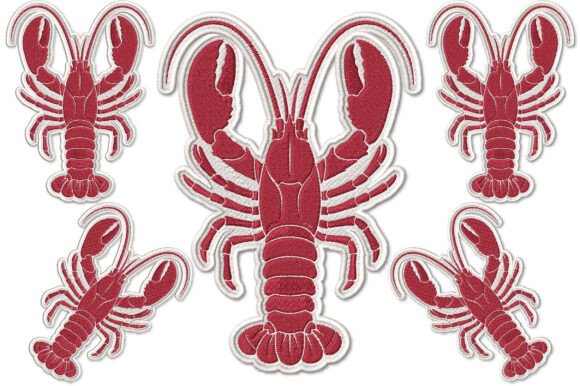
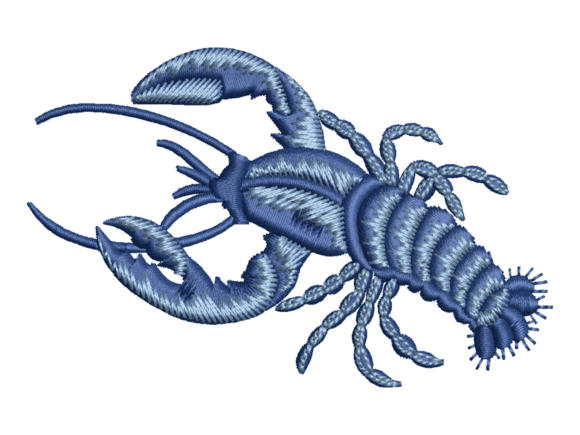
As an embroidery designer who regularly sets up at craft fairs and handmade markets, I’m always on the hunt for designs that catch the eye and spark a story. The Blue Lobster Embroidery Design immediately brings a coastal, slightly whimsical vibe to the table. It’s not overly rustic or farmhouse, but it’s not sleek modern either—it lands somewhere in the “fun nautical” zone. That’s a sweet spot for tote bags, tea towels, and boutique-style apparel.
How Blue Lobster Embroidery Design Performs on Popular Craft Fair Products
This design works best when given room to breathe. I tested it on several product types, and here’s what stood out:
- Tote Bags: The lobster motif makes a bold front-and-center statement. It draws attention from across the booth without being overwhelming.
- Aprons: Great for boutique-style kitchen wear. Positioned on the chest or pocket, it adds a touch of personality that handmade shoppers love.
- Tea Towels: Works beautifully when centered. The blue tones pop on natural linen or ivory cotton, especially with a coordinating thread choice.
- Embroidered Patches: If the design is scaled down correctly, it becomes a fun iron-on or sew-on accent for denim jackets or backpacks.
- Caps: Curved surfaces can be tricky, but this design adapts well if placed on the front panel with proper stabilizer use.
- Fabric Pouches: Especially effective on small zip pouches for a boutique gift set—adds charm without crowding the space.
- Pillow Covers: Scaled up, it becomes a conversation piece. Just be cautious with stitch density to avoid puckering.
Practical Production Considerations for Embroidery Business Owners
Let’s talk real-world production. As someone who prepares for weekend craft fair setups, time and consistency are everything. Here’s what I noticed:
- At-a-glance recognition: Yes, the lobster is instantly identifiable. That’s a big win for foot traffic at a busy booth.
- Works as accent or focal point: It scales well, but test it first. Some details may get lost when shrunk down for patches or cap fronts.
- Photographs well: Blue threads photograph beautifully, especially in natural light. This helps Etsy sellers and digital crafters with mockups.
- Batch production friendly: If the stitch density is balanced (which I suspect it is), this design can be repeated across multiple items without excessive thread or machine wear.
Where to Use Caution: Design Limitations and Fabric Challenges
Not all embroidery files are created equal. Here’s where to be careful with the Blue Lobster Embroidery Design:
- Dense stitch areas: Check for overly tight sections—these can cause fabric puckering, especially on thinner cottons.
- Tiny details: Lobsters have claws, antennae, and eyes—small features that might blur on textured towels or dark fabrics.
- Curved surfaces: Caps and curved pouches need extra stabilizer and hoop support to maintain design clarity.
- Dark fabric: Blues on black or navy can blend—consider thread contrast or adding a white outline for visibility.
- Small scaling: Avoid shrinking too far down. Details may become indistinct, especially in person and in photos.
Impact on Booth Display and Customer Engagement
Visual appeal is everything at a craft fair. The Blue Lobster Embroidery Design has a strong presence—it’s quirky, memorable, and fits a niche coastal or seafood-themed product line. It helps handmade sellers stand out without veering into overly cute or generic territory.
From a branding standpoint, if your shop leans into beachy, nautical, or boutique coastal themes, this design reinforces that identity. It also adds a sense of quality and intentionality to your handmade products, which customers subconsciously associate with higher value.
Designer Notes: What to Test Before Production Runs
Before embroidering dozens of items for your next craft fair or Etsy batch, here’s what I recommend:
- Test on scrap fabric: Always run a test hoop before committing to your final product fabric.
- Check thread contrast: Make sure the blue stands out against your fabric—especially on darker or textured materials.
- Review spacing: Ensure no part of the design is too cramped or crowded.
- Confirm hoop size: Match your machine’s hoop to the design dimensions to avoid distortion.
- Inspect stitch density: Avoid overly tight stitching that could pucker or stretch the fabric.
- Use the right stabilizer: Especially important for curved or textured surfaces like towels or caps.
- Create at least one real mockup: Not just digital—see how it looks stitched out on actual product fabric.
- Compare fabric colors: Try it on light, medium, and dark backgrounds to see where it shines best.
- Confirm commercial licensing: Since this is a digital embroidery file, double-check the license terms before selling finished products.
Final Thoughts: Worth the Hoop Time?
Absolutely. The Blue Lobster Embroidery Design is a solid addition to any small shop product lineup, especially for crafters targeting coastal themes or boutique-style handmade goods. It’s visually engaging, adaptable across product types, and has real selling potential at craft fairs and online marketplaces like Etsy.
Just remember: test before you invest. Always run a physical sample, especially if you’re using textured fabric, curved surfaces, or planning to scale the design up or down. Once you’ve got the right setup, this design can become a consistent seller in your handmade product rotation.