Sea Urchin Embroidery: A Designer's Practical Review
As someone who has spent years navigating the intersection of digital design and physical stitching, I approach every new machine embroidery design with a critical eye. It is not enough for a file to look good on a screen; it must translate seamlessly into thread, stabilizer, and fabric. Recently, I evaluated the Sea Urchin Embroidery file, a piece categorized under the broader Fish theme, to determine its viability for real-world projects. This review is not about marketing fluff but about how this specific asset performs when you actually load it into your hoop and hit start.
First Impressions: Mood and Visual Personality
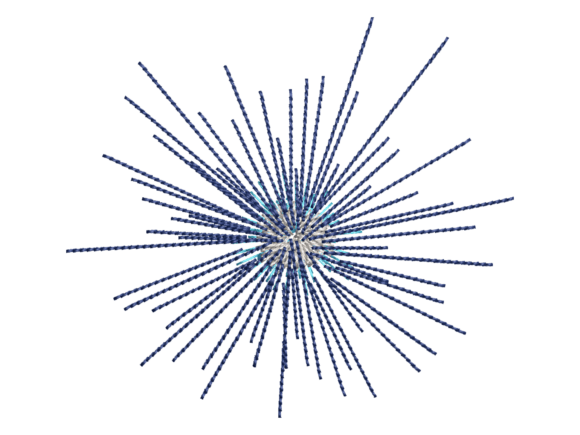
When I first opened the preview of the Sea Urchin Embroidery, the immediate impression was one of organic complexity. Unlike many generic sea-themed designs that rely on simple outlines or cartoonish shapes, this design captures the spiky, radial symmetry of the creature with surprising nuance. The visual personality feels modern yet timeless, making it versatile enough for both nautical-themed decor and contemporary streetwear.
The layout suggests a balance between intricate detail and bold presence. For an embroidery project where texture is key, the way the spikes are rendered promises to create a tactile surface once stitched. However, as a designer, my first instinct is always to question how those fine points will hold up against the limitations of a needle. Will the tips fray? Will the density cause puckering? These are the questions that separate a hobbyist from a professional creating a finished product for sale.
Real-World Application: From Tote Bags to Apparel
To truly understand the value of this digital embroidery file, I visualized it in several practical scenarios. Imagine preparing a custom embroidered tote bag for a coastal boutique. The tote bag design would benefit immensely from the Sea Urchin's radial shape, which sits naturally in the center of a canvas square without needing awkward cropping. The contrast of white or metallic thread against a navy blue canvas would make the spikes pop, creating a high-end look that elevates a simple bag into a statement piece.
Consider also the application on custom apparel. Placing this design on the chest of a heavy cotton sweatshirt offers a great opportunity for sweatshirt embroidery. The weight of the fleece can handle the potential stitch density better than lighter fabrics, allowing the fill stitch areas to sit flat and plush. Alternatively, as an embroidered patch, this design could be cut out and ironed onto denim jackets or backpacks, appealing to customers looking for unique handmade product accents.
For parents seeking a unique personalized gift, the Sea Urchin Embroidery fits perfectly into a nursery collection. A small version on a baby onesie or a larger motif on a blanket cover adds a touch of whimsy without being overly childish. The organic shape softens well in baby embroidery contexts, especially when paired with pastel thread colors like sage green, coral, or soft teal.
Strategic Uses for Small Business Owners
- Holiday Gifts: Use the design for holiday embroidery items like tea towels or pillow covers, perhaps adding a subtle "Happy Holidays" text below if the file allows customization.
- Boutique Branding: Incorporate the motif into aprons or staff uniforms to establish a cohesive brand identity for a seaside cafe or shop.
- Etsy Listings: Create printable mockups showing the design on various backgrounds to help buyers visualize the final result before purchasing.
Navigating Technical Challenges and Limitations
While the aesthetic appeal is strong, experienced designers know that execution is everything. There are specific situations where the Sea Urchin Embroidery requires careful handling. One major consideration is the hoop size. If the design features long, delicate spikes, using a hoop that is too small might force the machine to trim the edges, ruining the silhouette. Always verify the dimensions against your available hoops before committing to a client order.
Fabric choice is equally critical. On textured fabrics like linen or thick wool, the fine details of the urchin's spikes might get lost or catch on the weave. Similarly, on stretchy fabric such as jersey knit, the tension required for dense stitching could cause the garment to warp. In these cases, using a high-quality stabilizer is non-negotiable. I strongly recommend testing the design on scrap fabric first to ensure the stitch density does not cause puckering, especially around the center of the urchin where stitches converge.
Another area of caution involves dark fabrics. While thread colors can be adjusted, the sheer volume of fill stitch needed to cover a black background might increase the running time and thread consumption significantly. For commercial embroidery where speed matters, consider using a backing layer or choosing lighter base fabrics to maintain efficiency.
Enhancing Product Value and Customer Trust
In the competitive world of craft business and online selling, the quality of your design assets directly impacts customer trust. A poorly executed Sea Urchin Embroidery with loose threads or uneven spacing can signal low quality to a buyer. Conversely, a crisp, well-stitched design enhances the perceived value of the item, justifying a higher price point for your small shop product.
For Etsy sellers and creative entrepreneurs, consistency is key. Using a reliable embroidery file ensures that every item you produce looks the same, building brand recognition. When customers see a sharp, professional finish on their personalized products, they are more likely to return and recommend your work. The Sea Urchin Embroidery, when handled correctly, offers that level of professionalism, turning a simple digitized image into a tangible piece of art.
Practical Designer Notes for Success
- Test Run First: Never skip the test stitch on scrap fabric. Check for any gaps in the running stitch or issues with the satin stitch borders.
- Color Contrast: Ensure your chosen thread colors provide enough contrast against the fabric so the details remain visible.
- Licensing Check: Remember that this is a digital product. Instant download after purchase means no returns, so confirm the license terms regarding commercial use before selling finished items.
- Mockup Verification: Test the design in black and white mockups to see how the structure holds up without color distraction.
- Stabilizer Selection: Match your stabilizer to the fabric weight to prevent shifting during the stitching process.
Final Thoughts on Commercial Viability
The Sea Urchin Embroidery is a robust addition to any designer's library, provided it is used with intention and technical care. It bridges the gap between nature-inspired aesthetics and functional machine embroidery design. Whether you are creating a one-off personalized gift or scaling up for a line of commercial embroidery goods, this design offers the visual impact necessary to stand out in a crowded market.
By understanding its strengths and respecting its limitations regarding hoop size, fabric texture, and stitch density, you can transform this digital embroidery file into a profitable and beautiful reality. As we continue to explore the endless possibilities of thread and needle, assets like this remind us that the best designs are those that marry artistic vision with practical execution.